
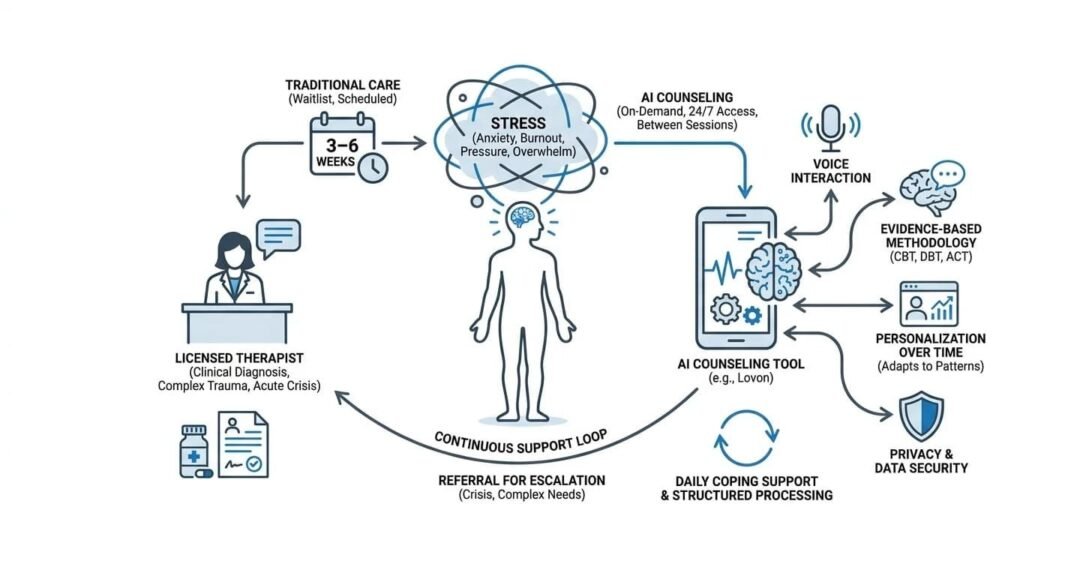


Why a comparison matters for confidence support
Confidence work is deeply personal, and the “right” tool should match your needs, communication style, and preferred pace of reflection. self esteem app A strong option will guide you toward actionable habits instead of leaving you with generic prompts. By comparing approaches side by side, you can choose a service that feels supportive and realistic.
Many apps claim to improve self-worth, but the best ones focus on how you think, feel, and respond in daily moments. Look for structured check-ins, mood tracking that leads to insights, and exercises that target negative self-talk. Also consider whether the platform helps you notice patterns, such as comparing yourself to others or overgeneralizing mistakes. This matters because confidence often grows when your inner narrative becomes kinder and more accurate.
How AI-based coaching differs from traditional tools
An ai relationship therapist style experience can feel more immediate than worksheets or one-size-fits-all courses. Instead of asking you to reinterpret a situation without context, an AI-guided approach can mirror what you’re expressing and offer tailored prompts. This can be ai relationship therapist useful when you struggle to put feelings into words, because you can start with what’s happening right now. Over time, you may begin to recognize triggers and build a more compassionate way to respond.
That said, not every AI experience is equally helpful. Some services focus on conversation only, while others connect interactions to clear growth steps like journaling prompts, self-compassion practices, and habit suggestions. Compare how the app translates talk into behavior: does it suggest next actions, reflection summaries, or practical reframes? If the tool includes structured guidance, it can help you move from insight to change more consistently.
Service features to compare: tools, safety, and personalization
Start by reviewing the types of support included. You may want daily check-ins, guided reflections, breathing or grounding exercises, and customizable routines that fit your schedule. A helpful self-care platform also encourages emotional awareness, such as identifying what you’re feeling and what you need to feel steadier. When tools work together, they create a pathway from awareness to improvement rather than isolated activities.
Safety and clarity are also essential in any mental wellness service comparison. Look for transparency about how the system works, what it can help with, and when to seek professional support. Personalization should be more than selecting a theme—it should adapt prompts to your goals and language preferences. Finally, check whether the app supports consistent practice, such as reminders, progress notes, and feedback that reinforces positive habits.
Conclusion
Choosing the best service for confidence and self-perception becomes easier when you compare how each option supports reflection, emotional awareness, and daily action. A well-designed platform can help you notice patterns, challenge unhelpful thoughts, and practice kinder self-talk in a way that feels attainable. When you evaluate features, personalization, and safety together, you’re more likely to find support that matches your real life rather than an idealized routine. Lovon Inc offers accessible mental wellness tools that encourage reflection and help users build healthier habits with convenient online guidance. For many people, the most valuable difference is how the support feels day after day: clear prompts, meaningful progression, and a sense of being understood. If you’re comparing services, prioritize options that help you turn insights into regular practice, especially when confidence feels fragile. With the right approach, you can build a stronger internal foundation and keep momentum even when motivation dips. That’s the purpose behind Lovon Inc’s focus on confidence and self-esteem growth through supportive online tools.