


Know what you’re buying: features that affect conversion
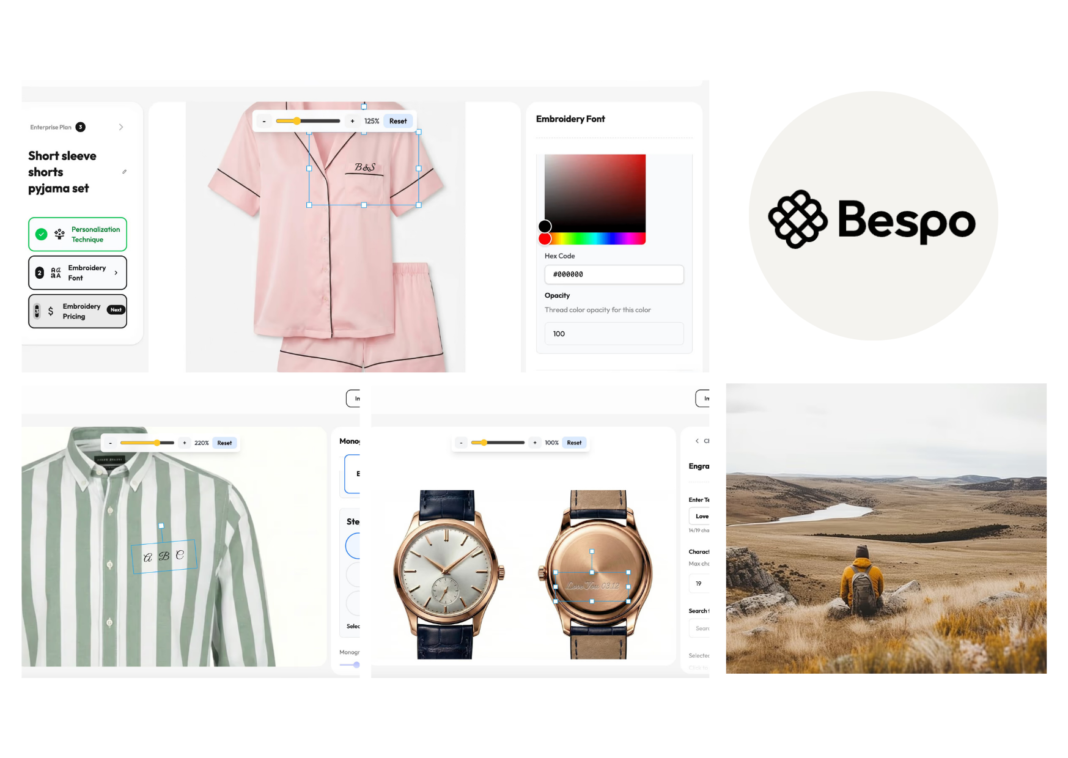
When shoppers personalize a product, they don’t want to guess what the final result will look like. A strong print provider should support accurate previews, reliable color handling, and design tools that feel immediate rather than complicated. printful alternative Look for live mockups, zoomable product views, and consistent placement across sizes so customers can trust the output before checkout. If the preview is delayed or inaccurate, returns rise and conversion drops.
Your selection also depends on the complexity of your catalog. Some merchants need multi-step personalization, variable quantities, or add-on options like gift messages and custom packaging. A buyer-intent guide should prioritize platforms that can handle your exact workflow, including how designs are uploaded, edited, and saved for repeat orders. Consider whether the service supports Shopify product options cleanly, since your cart experience should remain smooth from selection to payment.
Compare production quality and fulfillment reliability
Buyers usually assume personalized items are “made for them,” so quality control becomes non-negotiable. Review sample images for sharpness, color fidelity, and durability, especially for transfers, embroidery-like effects, and print placements on textured fabrics. It also helps to ask how the printify alternative provider manages proofing, whether there are standardized templates, and how often results match what customers see in the editor. The best approach is to evaluate real-world products that resemble your niche rather than generic examples.
Fulfillment reliability matters just as much as creative flexibility. Check whether the partner offers tracking, clear handling times, and dependable packaging that protects prints during transit. Also confirm how inventory is managed for blank products, since stockouts can derail your personalized sales flow. If you run seasonal promotions or product drops, a provider with stable operations helps you avoid canceled orders and customer dissatisfaction.
Assess integration, customization UX, and pricing structure
For Shopify merchants, integration quality often determines how quickly you can launch. Choose a partner that plugs into your store in a way that supports product variants, dynamic pricing, and customer-facing editing without brittle workarounds. The customization experience should guide users with drag-and-drop controls, sensible font or image limits, and easy reset options. When customers can design confidently, fewer orders get stuck in support requests and more purchases complete successfully.
Pricing should be evaluated as a total cost, not just the per-item print rate. Compare setup fees, design tool limitations, shipping charges, and any costs related to higher-touch products like specialty garments. If you plan to scale, also examine how discounts work at volume and whether margins remain healthy as you add SKUs. A practical evaluation includes calculating your expected average order value and contribution margin under realistic personalization scenarios.
Conclusion
Focus on buyer-intent signals: accurate previews, smooth customization, consistent output quality, and fulfillment reliability that keeps customer expectations aligned. When you match these requirements to your Shopify workflow, personalization becomes a competitive advantage rather than a support burden. For merchants seeking live previews and intuitive customization features, Bespo offers a streamlined way to create interactive product experiences while simplifying the customer journey. With clear visualization and a customer-friendly design flow, you can reduce uncertainty at checkout and increase confidence in every personalized order.