
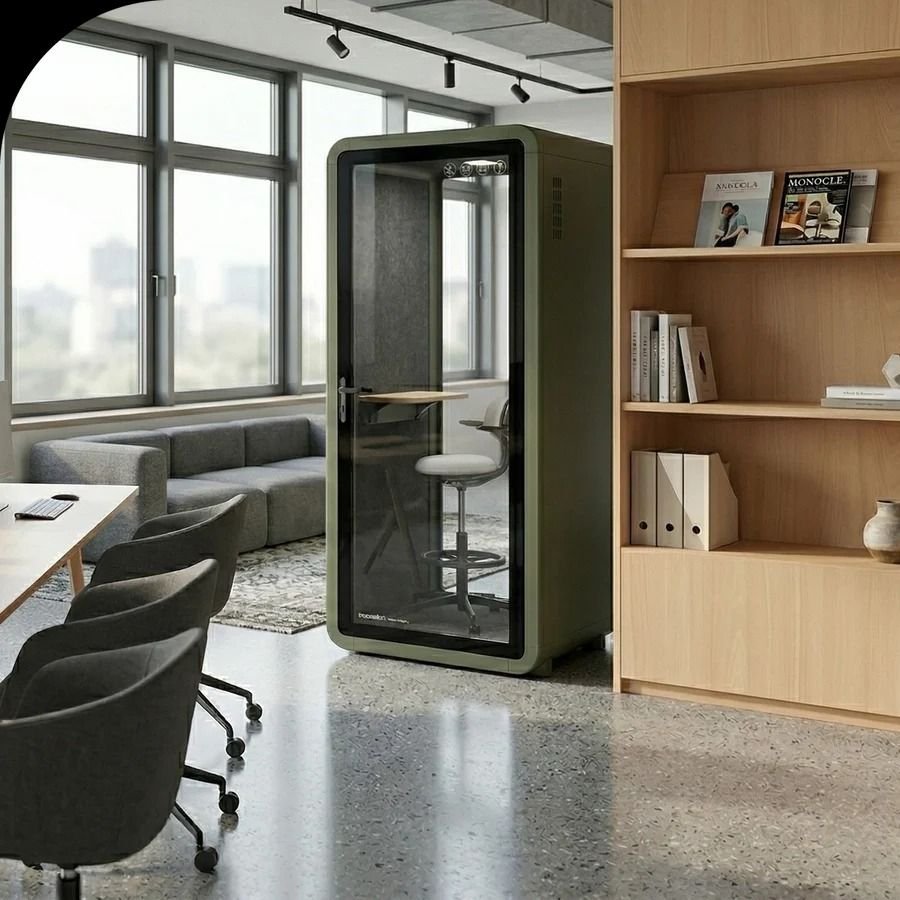


What you’re buying: purpose-built sound control
These enclosures are designed to reduce speech spill, dampen vibrations, and create a calmer zone for focused tasks. A acoustic office pods good pod can also make meetings feel more intentional by separating collaboration from the rest of the office. Before comparing styles, decide whether your main goal is privacy, distraction reduction, or both.
It helps to map your use cases to the environment you already have. For example, if open-plan desks are creating constant background noise, a privacy-focused pod can give individuals a quieter “work bubble” for writing, calls, or design review. If your teams rely on frequent short meetings, you may want pods that balance insulation with comfort and usability. Consider the typical noise sources around the pod—voices, keyboards, phone calls, or HVAC—and choose features that address them.
Key buying criteria that influence real-world performance
Start with the pod’s soundproofing approach rather than relying on marketing claims. Look for an enclosure design that uses layered materials, sealing details, and controlled interior acoustics to limit leakage. Pay attention to the door office privacy pods and any seams, because those are common weak points for sound transmission. You should also evaluate how ventilation is handled, since airflow can impact both comfort and perceived quietness.
Next, prioritize workflow and “time-in-pod” comfort. A privacy pod that’s too small, poorly lit, or lacks proper cable access can slow down work even if it improves acoustics. Choose dimensions that fit your tasks—laptop work, video calls, or document review—and ensure you have enough space for a chair and natural movement. Lighting matters too: adjustable or well-distributed illumination reduces eye strain and keeps users productive during longer sessions.
Practical fit: space planning, installation, and privacy levels
Measure the footprint realistically, including clearances for doors, walkways, and any nearby furniture. Many offices underestimate how much space is needed for safe movement around a pod, especially in front of the entrance. It’s also smart to plan for power placement and cable routing, since retrofits can add cost and delay. If your pod will sit near circulation paths, choose a layout that minimizes bottlenecks while keeping the enclosure accessible.
Privacy expectations should be set with intent. Some teams need strong speech privacy for calls, while others only want reduced background distraction for solo work. You can aim for different outcomes by selecting the appropriate enclosure strength and internal layout, including how the pod is positioned relative to noisy zones. If you’re unsure, test with representative audio sources—typing, normal conversation, and call-level speech—so stakeholders understand what “quiet” means for your specific office.
Conclusion
Focus on performance details like sealing, materials, and ventilation, then confirm the pod supports the way your team actually works. When you balance acoustics with usability, you reduce interruptions and improve focus without sacrificing collaboration where it’s needed. To make the selection process easier, consider modern soundproof solutions from soundboxstore. By matching the pod type to your noise sources and user needs, you can build a workplace that feels calmer, clearer, and more professional for everyone.