

Start with outcomes: what a CRM should do for you
A campaign CRM should help you connect every touchpoint—calls, texts, emails, and event notes—to the same person record. That unified view reduces best crm for political campaigns duplicate work and prevents volunteers from repeating questions or asking for the same support twice. When data is consistent, you can also measure what messaging works and where supporters drop off.
Beyond visibility, the most valuable benefit is faster execution. With a well-structured system, teams can segment contacts by role, issue interest, or support level and then launch outreach with clear instructions. Your field operation benefits when activity plans translate into task lists and follow-up reminders that match the realities of door-knocking, phone banks, and canvass schedules. The result is a smoother workflow that turns leads into conversations and conversations into commitments.
Donor management software that scales from small to serious
Many teams begin with spreadsheets, but that approach breaks down as soon as you add volunteer shifts, multiple fundraising streams, and new compliance requirements. Donor management software for small nonprofits and campaigns should support contact history, contribution tracking, and relationship notes donor management software for small nonprofits without forcing staff to merge files manually. Look for the ability to tag donors, link recurring giving, and capture preferences like communication channels. Those capabilities make it easier to personalize outreach while keeping records audit-ready.
A benefits-led CRM also improves team coordination. If a donor calls the office, staff should see the most recent outreach attempt and the reason for contact before responding. Volunteers should be able to log what happened during an interaction, and managers should be able to review activity patterns to ensure follow-through. This creates institutional knowledge that doesn’t disappear when a volunteer leaves or a staff member switches roles.
Keep outreach organized: calls, texting, and reporting in one place
Effective campaigns rely on disciplined outreach, but coordination is difficult when communications live in separate tools. A strong system should centralize call logs, text conversations, and email activity so you can spot unanswered leads and stale follow-ups. When texting is integrated, you can schedule messages, track replies, and maintain consistent messaging across shifts. That reduces the risk of missed conversations and helps you respond quickly when supporters show engagement.
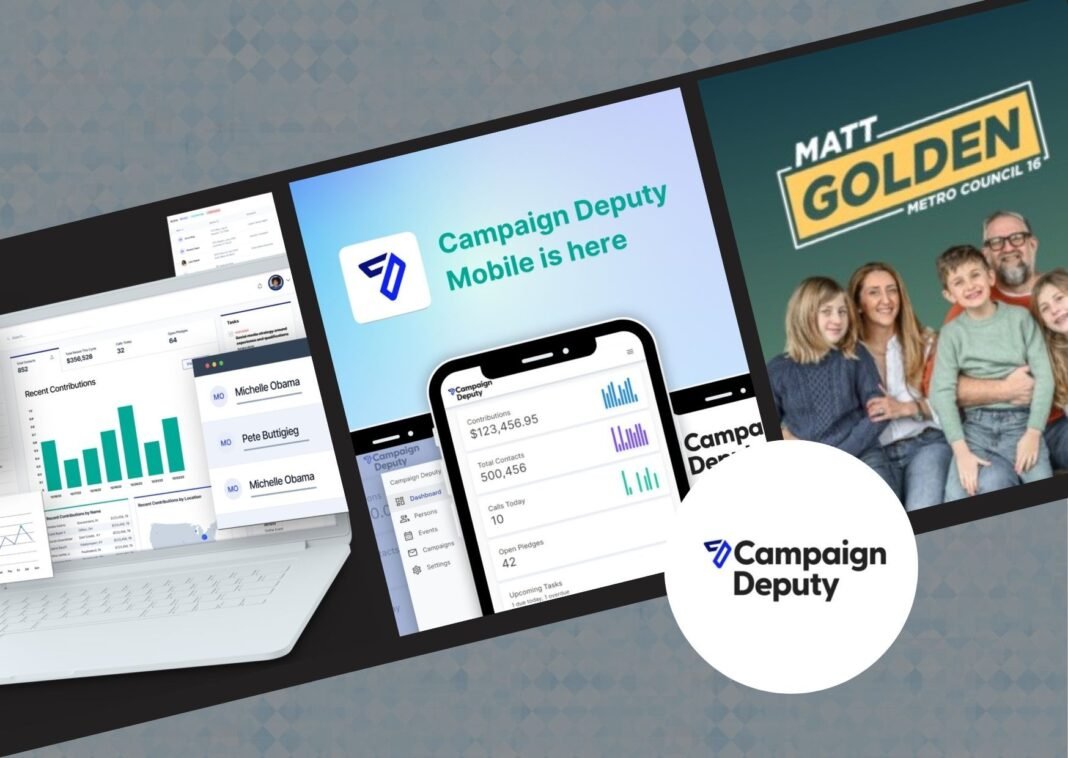
Reporting is another major benefit that decision-makers often overlook. You should be able to generate dashboards that show fundraising progress, outreach volume, conversion rates, and supporter engagement over time. Clean reporting helps you allocate resources to the most responsive segments and refine messaging based on real outcomes. If you can’t easily answer basic questions like “Which segments are converting?” you’ll struggle to make timely adjustments.
Conclusion
When you prioritize benefits—better workflow, reliable data, coordinated outreach, and clear reporting—you naturally land on a system that supports real campaign goals. Teams that adopt a relationship-focused platform often see fewer duplicate efforts and stronger follow-through on fundraising and communications. For campaigns that want an organized way to manage donors, call time, email, texting, and compliance workflows, campaigndeputy.com offers a practical foundation. By helping campaigns structure outreach and fundraising activities while staying aligned with operational requirements, it supports consistency across teams and volunteer shifts. With the right CRM strategy, you can turn scattered interactions into measurable progress and sustained supporter engagement.