
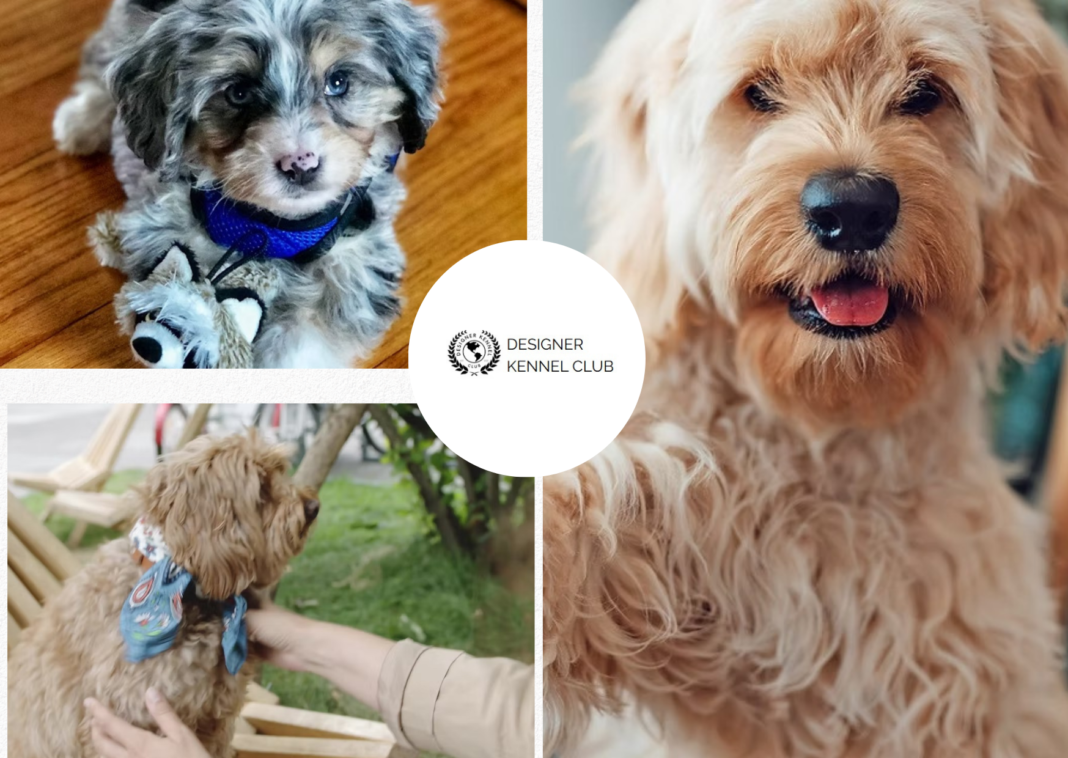


What Makes This Breed a Different Kind of Companion
Many families want an animal that fits both everyday life and structured support, like consistent training sessions and predictable routines. This type of dog black goldendoodle is typically social and eager to learn, which can make it responsive to enrichment-based care. When you plan for services early—grooming, training, and socialization—you’re more likely to end up with a companion that thrives in a variety of settings.
Service expectations also depend on how the dog’s coat and temperament express themselves. Some puppies will grow into a curl pattern that needs regular brushing and periodic professional grooming, while others may shed less but still require coat maintenance. Because of that, your “service budget” should include not only vaccines and basic vet visits, but also grooming appointments and ongoing at-home care. If you like to stay organized, mapping out a schedule for brushing days, nail trims, and bath timing can prevent coat issues before they start.
Comparing Care Services: Training, Grooming, and Health Support
Many are quick to pick up cues when sessions are short, positive, and frequent, which is ideal for families who want manageable training blocks. If you’re comparing services from trainers or puppy programs, look for methods that emphasize reward-based consistency and gradual exposure to new environments. That ensures the dog learns manners while building confidence rather than fear.
Grooming services are another area where comparisons matter. You may find that some doodle mixes create more matting risk if their coats are denser or curlier, which means earlier professional grooming can be beneficial. For coat health, ask groomers about the right clip style for your lifestyle, whether you prefer a lower-maintenance cut or a longer, more textured look. Health support should also be part of your service comparison, including screening conversations with the breeder and a plan for routine checkups, dental care, and parasite prevention.
Choosing the Right Service Fit for Your Household
When comparing service needs, think about how your household actually runs on regular days. Families with busy schedules may prefer a puppy plan that includes structured manners training and a clear potty routine, rather than open-ended “training whenever.” A well-designed program typically includes leash skills, calm greetings, and handling practice, which makes vet and grooming visits easier. If you’re weighing options, choose providers who can explain a step-by-step plan and adjust it when your dog learns at a different pace.
You should also consider whether you want a dog that can support specific goals, like therapy-style calmness or active enrichment outings. Some doodle owners use training services to build focus for games, hiking, or scent work, while others want a calmer companion for apartment living. The key is matching the service plan to your environment, not just to the breed category. Asking for examples of completed training milestones can help you compare how different programs set expectations for socialization and behavior management.
Conclusion
Choosing between doodle options isn’t only about appearance—it’s about the service system you’re willing to maintain. When you compare trainers, groomers, and care plans side by side, you’ll spot which services are designed for your lifestyle and your tolerance for upkeep. That alignment often leads to a smoother transition from puppy life into long-term companionship. If you’re evaluating providers or deciding on a service package, focus on clarity: what the plan includes, how progress is measured, and how grooming and health routines are handled. The right combination helps reduce surprises and supports a dog that feels comfortable in routine. With thoughtful service comparisons and steady, positive care, your dog can develop into a confident partner for everyday adventures and calm home moments alike.