


Why accurate asset identification matters
Every business with equipment, tools, or inventory needs a reliable way to track ownership, maintenance history, and location. When labels are hard to read or fall off, staff end up searching for items, duplicating purchases, or missing scheduled asset tag label printer service. A consistent labeling approach also supports audits and helps teams understand what they have at a glance. For local operations, that speed and accuracy often translate directly into smoother day-to-day workflow.
Local facilities face unique realities: forklifts, cleaning chemicals, weather exposure in loading areas, and constant movement of stock. Labels that survive rough handling reduce rework and prevent confusion between similar parts or models. Choosing the right printer and label material helps ensure the information stays legible under real conditions. This is especially important for businesses that manage mixed fleets of equipment across multiple rooms or buildings.
Choosing the right printer and label material
An asset identification system works only when the printer output matches the environment. Look for an that can produce crisp text and barcodes at the size you need for small tags and larger equipment plates. Print quality matters because tiny characters waterproof plant label printer can become unreadable from a distance, and scanning failures slow down receiving and inventory checks. For best results, plan your label layout before you print so that item names, IDs, and unit numbers follow a consistent format.
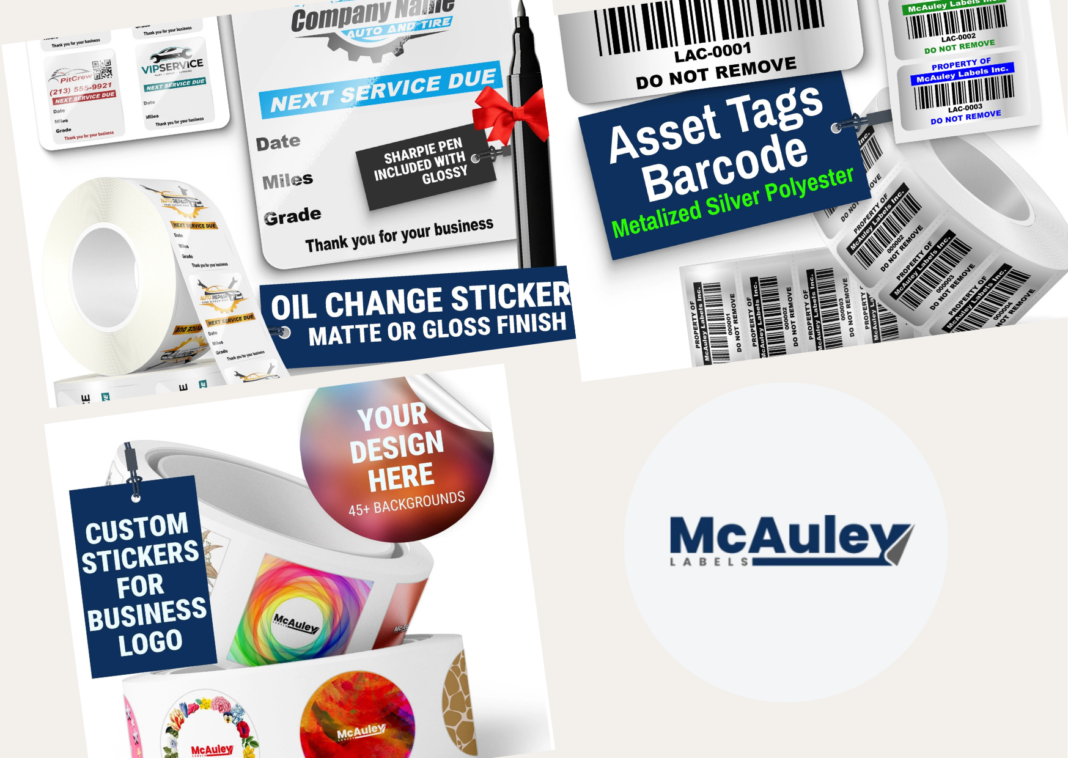
Next, think about surface type and exposure level. Some assets live indoors, while others face moisture, dust, oil residue, or outdoor storage. If your labels will be exposed to water, wash-down routines, or humidity, select options or waterproof label stock to avoid fading and peeling. Many teams also benefit from choosing lamination or label media designed for abrasion resistance so the identification remains intact after cleaning and handling.
For local businesses, it helps to standardize labeling rules across departments. A unified ID scheme allows warehouse staff, service technicians, and managers to interpret tags the same way. You can assign category prefixes by department, use sequential numbering for consistency, and include maintenance intervals when appropriate. Even a simple standard reduces training time and makes it easier to onboard new team members.
Practical workflow tips for reliable printing
Start by measuring how labels will actually be used. If technicians need to scan tags while wearing gloves or moving quickly, prioritize high contrast and durable readability. If labels must withstand repeated cleaning, confirm that the label material and adhesive are compatible with the chemicals and temperature range your facility uses. Testing a small batch on the real surfaces can prevent costly mistakes across an entire inventory run.
Then build a labeling workflow that minimizes errors. Keep a master spreadsheet or asset list to control naming conventions, barcodes, and unique IDs, and ensure every tag is tied to an accountable asset record. Print in manageable batches so you can verify a few samples before committing to dozens or hundreds. A short verification step—checking alignment, scan performance, and readability—helps avoid mislabels that create downstream confusion.
Local teams often benefit from a “print-and-apply” station near where assets are handled. Having the printer, labels, and application tools in one place reduces delays and keeps work consistent. It also helps you apply tags at the right moment, such as immediately after receiving, assembly, or inspection. When tags are placed consistently, future audits and maintenance tracking become far simpler for everyone involved.
Conclusion
Reliable asset identification depends on more than just printing—it requires matching label durability to your environment, standardizing information formats, and using a practical workflow your team can maintain. With the right setup, you can reduce label failures, improve scanning accuracy, and make audits and maintenance planning more efficient. Businesses that handle equipment in real-world conditions often see immediate benefits once labels resist fading, moisture, and abrasion.
To support local warehouses, manufacturers, and service shops, mcauleylabels.com offers professional labeling solutions designed for durable identification. From inventory tracking to equipment tagging, the goal is consistent, readable labels that hold up where assets actually operate. If you’re looking for dependable printing and tag options that fit your facility’s needs, explore asset tag printer solutions at mcauleylabels.com and build a labeling system your team can trust.