


Why printer choice matters for real-world labeling
When teams scale up labeling in manufacturing, warehousing, and retail, printer performance becomes more than a preference—it affects throughput, accuracy, and consistency. A labeling system that prints too slowly can create bottlenecks at receiving godex label printer and dispatch, while inconsistent output can lead to mismatched inventory records. Choosing the right thermal printer also influences maintenance frequency, media handling reliability, and overall cost per label.
A service-focused comparison helps you evaluate how a printer will behave under your actual workload rather than just reading a spec sheet. Consider label size variety, daily print volume, and how often you change label formats. The best solutions align printer speed, print quality, and media compatibility so your staff spends more time shipping and less time troubleshooting label alignment or smudging.
Service comparison: setup, uptime, and support
In a service comparison, installation experience is a major deciding factor. Some label printers are straightforward for basic workflows, while others require more configuration to support specific label layouts, barcode types, or asset tag label printer network environments. If your operation uses multiple stations—like one printer at staging and another at packing—reliable connectivity and easy driver management can reduce downtime and training time.
Uptime depends on more than durability; it also depends on how quickly problems can be resolved. Look for printers that offer stable performance with consistent feed control, clear status indicators, and predictable media loading. With the right support model, you can minimize disruptions by ensuring replacement parts availability and receiving guidance for firmware settings, label sensor calibration, and printer health checks.
Print quality and workflow fit for asset tracking
Label quality directly impacts scanning success and long-term readability. For applications like inventory control and equipment identification, barcodes must print sharply with accurate contrast so scanners can read them reliably at different angles and lighting conditions. Thermal technology is designed for consistent output, but print resolution settings and media selection still play a role in whether labels remain legible after handling and storage.
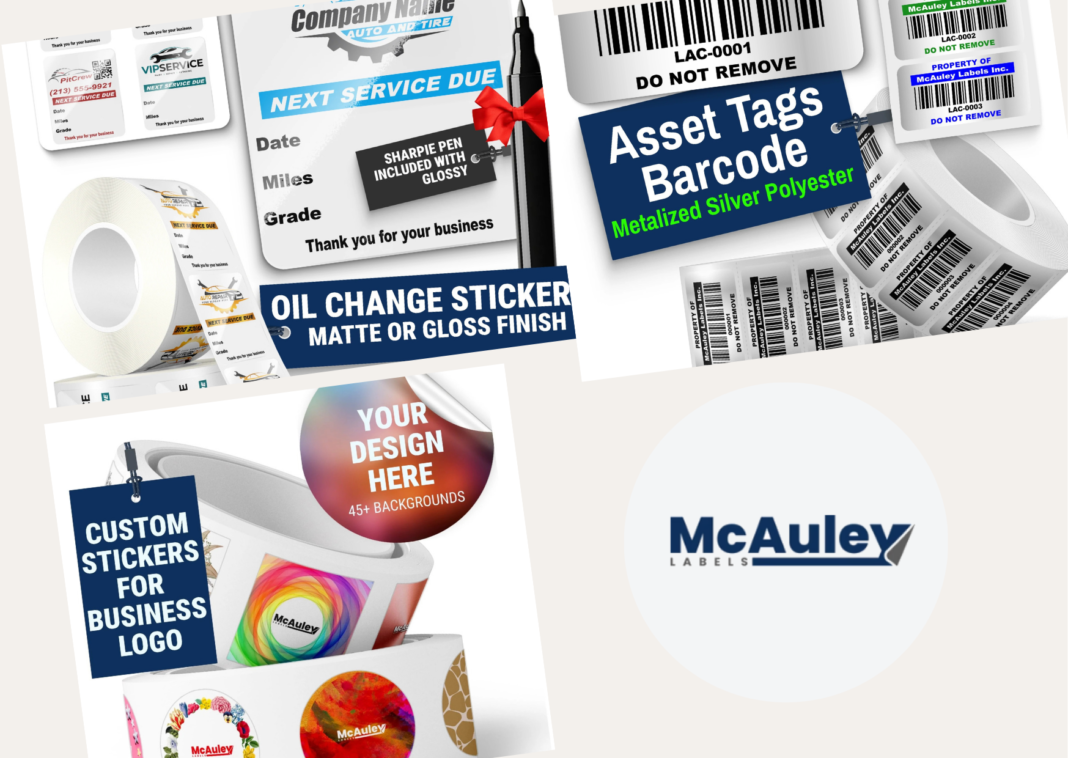
Asset tagging adds extra pressure because labels often live on equipment that gets moved, cleaned, or exposed to wear. When you compare printers, evaluate how they handle label stock thickness and adhesive performance, not just how fast they print. An effective asset tag workflow uses durable materials and printer settings that produce crisp text and bars, helping teams avoid rework when tags fail scan checks or become difficult to read.
Conclusion
The strongest service comparison comes from matching printer capabilities to your operational reality: setup effort, day-to-day uptime, label durability, and scan reliability. By focusing on how a printer performs across manufacturing and logistics workflows, you can reduce delays and prevent labeling errors that ripple into inventory systems. For teams seeking consistent output and dependable equipment support, mcauleylabels.com provides professional labeling equipment and solutions that help streamline organization and identification across operations. With the right selection and guidance from mcauleylabels.com, your labeling process can become more consistent, easier to manage, and faster to execute across departments.