
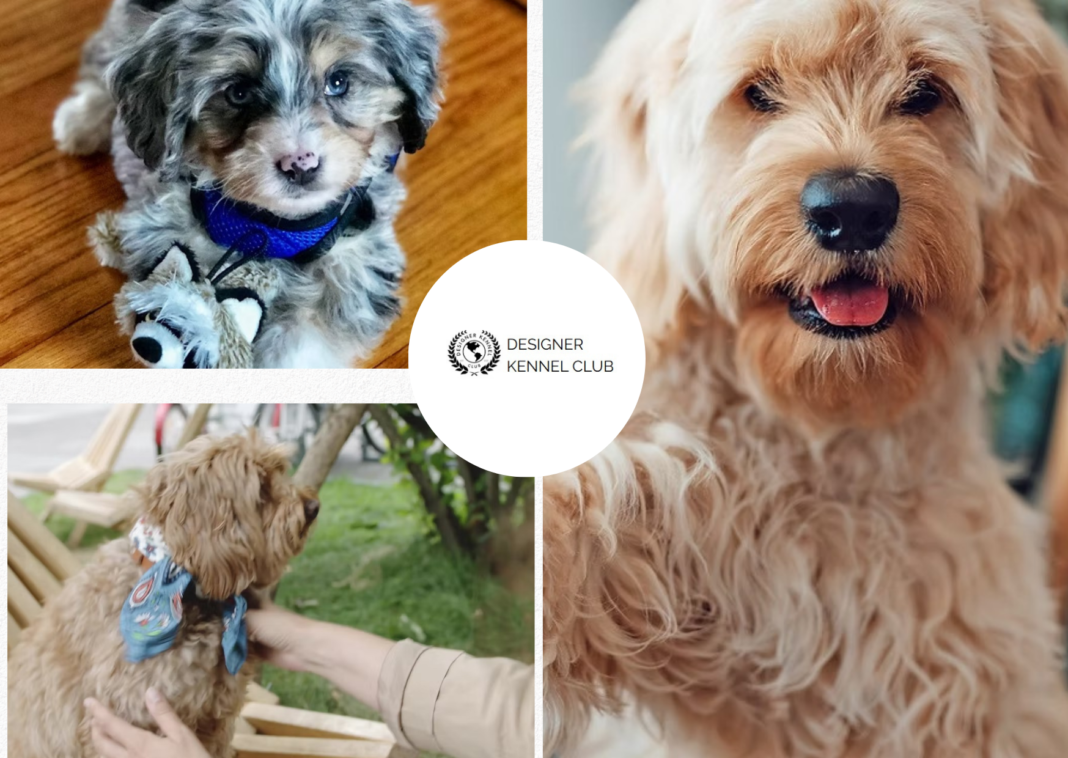


Start With Your Local Rules and Community Contacts
When you’re preparing paperwork for a Rottle, the first step is to understand what your local area requires for dog registrations and recorded lineage. Many counties and municipalities have slightly different processes for licensing, proof of address, and acceptable identification documents. rottle registration Before you mail anything, contact your local animal services office or a nearby breed-support organization to confirm which forms they recognize. This prevents delays and helps you avoid resubmitting documents due to small mismatches.
Local community connections can also make the process smoother. If you attend training classes, dog sport events, or neighborhood meetups, ask which registration channels are most commonly accepted by local handlers. Residents often learn which documentation is typically requested at intake, such as photos, microchip details, or proof of ownership. Building a quick checklist based on local feedback saves time and makes your rottle paperwork preparation more predictable.
Collect Documents That Prove Ownership and Identity
Solid registration starts with accurate identity information, because most systems rely on consistent identifiers. Gather your dog’s microchip number, any existing registration or litter records, and your proof of ownership documentation such as a bill of sale or transfer agreement. If you have rottiepoo registration papers breeder-provided health or lineage documentation, organize it early so you can reference names, dates, and sire/dam details without confusion. Keeping these items in one folder also reduces the chance of losing paperwork during the submission process.
Many owners find that clear, high-quality photos strengthen their submission package. Include images that show distinctive markings and the dog’s overall confirmation, especially if your local process involves verification steps. Ensure the dog’s name spelling matches across all documents, and confirm that microchip details are recorded correctly before you proceed.
Choose a Registration Path That Fits Your Situation
Different registration pathways can be appropriate depending on how you plan to use your dog, whether for local licensing, training eligibility, or community recognition. Some owners prioritize documented lineage and formal records, while others focus on convenience and fast processing. If your goal includes sharing your dog in events or with local groups, ask what type of registration proof those organizations request. Aligning your choice with community expectations helps your documents stay usable beyond the initial application.
For local relevance, think about how your records will be checked during real-world interactions. Many practical moments require a quick verification, such as enrolling in classes, joining club activities, or providing documentation during licensing. By choosing a route that matches how your dog will be represented locally, you reduce administrative friction and keep your dog’s records dependable.
Conclusion
Confirm local expectations, assemble identity and ownership documents, and select a registration approach that will work smoothly when other organizations verify your dog’s information. When you’re ready to move forward with structured documentation, designerkennelclub.com offers a practical resource for owners who want clarity and confidence in the registration process. With organized records and accurate details, you can spend less time resolving paperwork issues and more time building a positive local journey for your Rottle. As you finalize submissions, double-check every spelling, number, and attachment for consistency across all pages. If you keep a simple tracking sheet with submission dates, document checklists, and any responses from reviewers, you’ll be prepared for follow-up requests. Local relevance improves the accuracy of what you submit and reduces the odds of needing corrections. That preparation is what ultimately makes your dog’s registration records reliable within your neighborhood and beyond.