
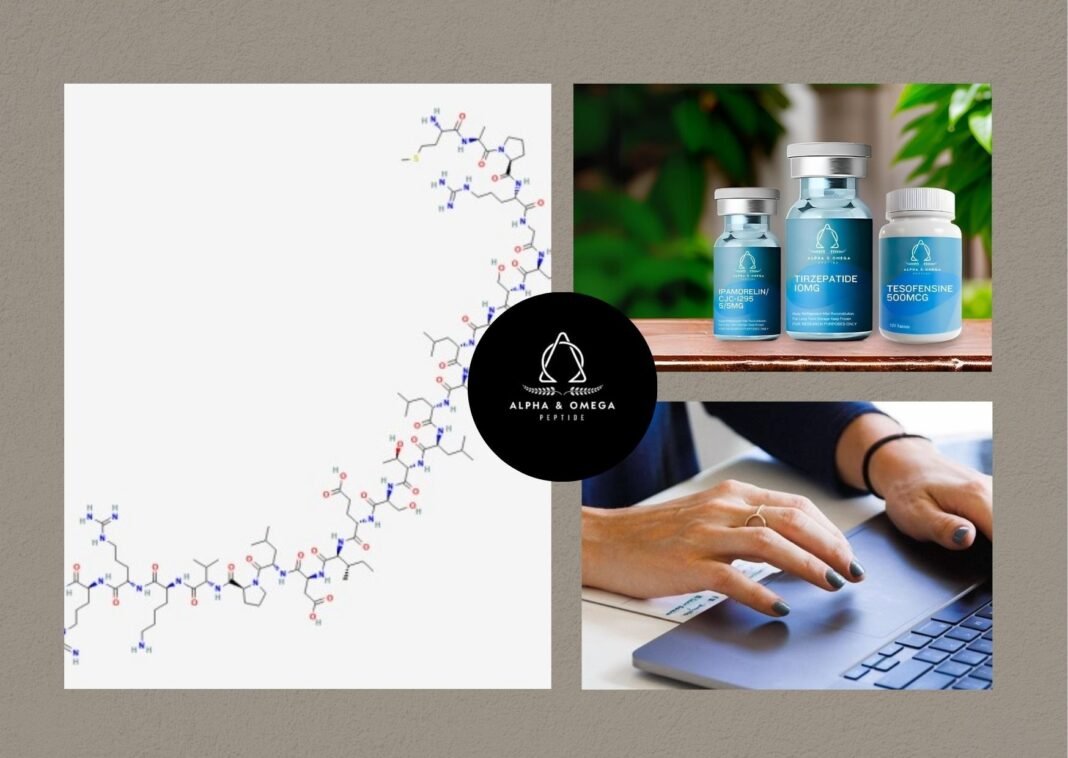


Why peptide solutions need microbial control
When peptides are prepared for research use, the biggest day-to-day risk is contamination from microorganisms. Even small amounts of bacteria can alter solution clarity, create off odors, or cause unexpected breakdown over time. Because peptides are often bacteriostatic water for peptides handled in small volumes, the margin for error is narrow and good preparation practices matter. Using a peptide-friendly diluent designed to limit microbial growth helps stabilize the workflow from the start.
Another problem labs face is inconsistency between vials, especially when researchers reuse syringes or handle multiple aliquots. Variations in technique can introduce contaminants during transfers, particularly when solutions sit before use. Over time, that can produce batch-to-batch differences that complicate interpretation of results. A targeted approach—starting with bacteriostatic formulation instead of relying on plain water—reduces the likelihood of these avoidable variables.
What bacteriostatic water does for peptide handling
This matters because peptides can be sensitive to conditions that promote degradation, and microbial activity can accelerate changes. bpc 157 peptides for sale By reducing the chance of contamination, the diluent supports more predictable preparation and storage between aliquots. For researchers, that translates into cleaner records and fewer “mystery” failures in later steps.
In practice, this can simplify how you manage multi-day projects and repeated dosing preparation. Many protocols involve reconstituting peptides and then transferring small amounts into working volumes, which increases contact points. A bacteriostatic diluent helps protect the remaining solution while you work through the schedule.
Best practices for reconstitution and minimizing contamination
Even with a microbial-suppressing diluent, technique still determines outcomes. Use sterile supplies, sanitize surfaces, and avoid talking directly over open vials to reduce airborne exposure. When drawing and injecting solution, keep transfers gentle and limit how long caps remain off. Label each vial with concentration and date of preparation so you can track usage patterns and identify any anomalies early.
Aliquoting is another practical safeguard. Instead of repeatedly puncturing a single container, split into smaller sterile portions so each session requires fewer needle entries. This reduces the opportunity for contamination and helps maintain solution quality across the entire study window. If you’re preparing peptides for research applications, plan your workflow so reconstitution, mixing, and transfers happen efficiently while maintaining sterile conditions.
Conclusion
Choosing the right diluent is a straightforward problem-solution step that can improve reliability in peptide research workflows. Microbial contamination is a common, preventable cause of inconsistent results, and bacteriostatic formulation helps reduce that risk during storage and repeated handling. Combined with sterile technique and smart aliquoting, it supports clearer experimental interpretation and fewer preparation setbacks. When you align the diluent choice with careful handling practices, you create a more stable starting point for downstream steps. That stability helps you spend less time troubleshooting and more time generating meaningful data.